
Closed for juneteenth
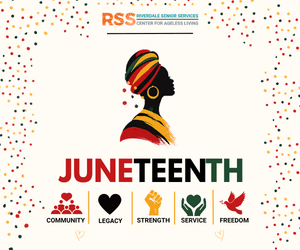
Juneteenth, celebrated annually on June 19, marks a pivotal turning point in American history. It commemorates the day in 1865 when the last enslaved people in the United States—specifically those in Galveston, Texas—were finally informed of their freedom, more than two years after the Emancipation Proclamation was signed.
The Historical Timeline
The delay between legal freedom and actual liberation was caused by a combination of geographical isolation and the slow collapse of Confederate resistance.
Emancipation Proclamation
Jan 1, 1863
President Abraham Lincoln declares all enslaved people in Confederate states "henceforward, and forever free." However, it had little impact in areas still under Confederate control.
Lee Surrenders at Appomattox
Apr 9, 1865
General Robert E. Lee surrenders, effectively ending the Civil War and removing the military barrier to enforcing emancipation in the South.
General Order No. 3
Jun 19, 1865
Union General Gordon Granger arrives in Galveston, Texas, and announces: "The people of Texas are informed that, in accordance with a proclamation from the Executive of the United States, all slaves are free."
The First 'Jubilee Day'
Jun 19, 1866
One year later, freedmen in Texas organized the first annual celebration of "Jubilee Day," which eventually became known as Juneteenth.
Traditions & Symbolism
Juneteenth is often referred to as America's Second Independence Day. Over the decades, the celebration has evolved from local Texas gatherings into a national federal holiday (officially recognized in 2021).
The Meaning of "Red Food"
A hallmark of Juneteenth celebrations is the presence of red foods and drinks (such as strawberry soda, hibiscus tea, red velvet cake, and watermelon). This tradition carries deep symbolic weight:
Resilience: Red represents the blood shed by ancestors during the era of enslavement.
Cultural Heritage: It honors the West African traditions of the Yoruba and Kongo people, where the color red symbolizes life, power, and transition.
Community & Education
Modern celebrations typically focus on three pillars:
Religious Services: Many gatherings begin with prayer and the singing of "Lift Every Voice and Sing."
Public Readings: Traditional readings of the Emancipation Proclamation to ground the festivities in history.
The "Cookout": Family reunions centered around barbecue and communal meals, emphasizing the joy of gathered community.
Note on the Flag: The Juneteenth flag features a bursting "Nova" star, representing a new beginning for African Americans. The curve across the flag represents a new horizon, and the red, white, and blue colors serve as a reminder that the formerly enslaved and their descendants are American citizens.
